Discover a haven for wildlife and people in the heart of London.
Journey beneath the waves and meet some of the fiercest marine reptiles that have ever lived.
Our research themes focus our work so we can find solutions to some of the biggest global challenges.
News
Whilst in the newly transformed gardens, Their Royal Highnesses joined some of the students for outdoor learning activities.
Even the most blurry photo can be consequential.
Science news
A new species of moth has been discovered 7,000 kilometres from home.
A molar found in sand from south London could shed light on the last days of an ancient mammal.
Making our gardens earthworm friendly could help urban spaces become more resilient.
Almost half of marine mammals around the UK are being poisoned by banned chemicals.
Specimens of the hitchhiking insect have been sitting undescribed in the Museum’s collections since 1886.
The National Education Nature Park will create a network of green spaces right across the country.
British wildlife
Find out if you're an above-average insect spotter with this quiz.
Urban soundtracks allow us to listen in to wildlife, from calling birds and shouting foxes to chirping insects and quiet worms.
Think you know your birds from your bees?
Nights are becoming around 10% lighter each year, which has implications for the health of both humans and wildlife.
Scientists and conservationists are continuing to investigate this phenomenon, with the exact reasons remaining unclear.
The protective equipment that kept us safe during from COVID-19 could pose a lethal threat to nature.
Some individuals have been found as much as 2.8 metres above the ground, but no one is quite sure why.
A new report lays out how we can prioritise the best selection of habitats to give the UK's 24 species of bumblebee a boost.
The UK's insect population has fallen sharply as the invertebrates are affected by rising temperatures and fragmented habitats.
A new natural history course for UK high school students will help pupils develop a deeper understanding of the natural world.
Plants in the UK now flower around a month earlier than they were hundreds of years ago.
Gilbert White's talent and passion for observing and recording nature inspired many future naturalists, including Charles Darwin.
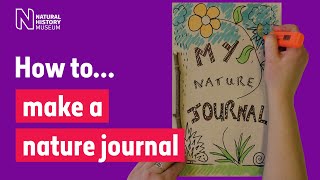
Keeping a nature journal is a great way to record any nature you see.
Anthropocene
Ongoing research into plastic pollution is essential.
Want to explore the life lurking in seashore rock pools? Find out what you need and what you might see.
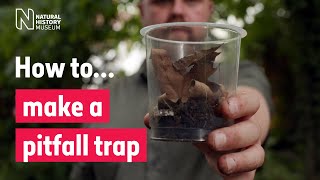
Want to find out what small creatures are crawling around your garden? Follow our steps to set up a simple pitfall trap.
Space
Amateur astronomers are recording fireballs flying above the UK.
It’s not easy to observe space from the middle of a big city, but it’s possible. Here’s how.
What on Earth?
Magnified images reveal the beauty of these tiny wasps, but mask their gruesome nature.
We use cookies to give you the best online experience. We use them to improve our website and content, and to tailor our digital advertising on third-party platforms. You can change your preferences at any time.