To celebrate the UN's International Year of Biodiversity Museum scientists are publishing a fact file on a different species every day during 2010.
Nannoceratopsis gracilis belongs to one of the oldest known groups of dinoflagellates, microscopic algae that play a major role in the CO2 cycle. Find out more about this unusual-looking fossil species from the Jurassic.
How do we measure changes in the Earth's climate? What research takes place at the Museum to study the effects of changing climate on the natural world? And what can you do to help?
Find out in our new section on climate change.
Find out what goes on behind the scenes at the Museum by following our blogs.
You could be the first to know about upcoming events and exhibitions. Or you might find out some surprising facts about the life of a Museum curator, with thousands of specimens to look after and more to collect on fieldwork trips.
And if you have a question, why not join a forum?
Find out more
What causes earthquakes, how big can they get, and which parts of the world are most likely to experience them?
Which dinosaurs lived in Britain and the rest of the world? Check out our guide to over 260 dinosaurs organised by body shape, country, time or using the A-Z.
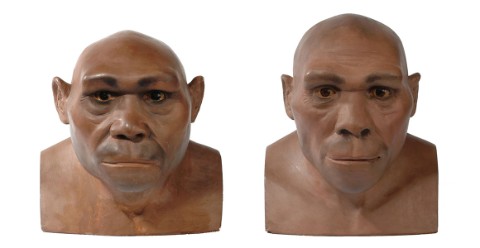
Can you study the Piltdown Man fossil and avoid being fooled by the hoax that fooled scientists in 1912 for forty years?
It may come as a surprise that a dozen or more spider species resident in the UK are capable of causing a significant bite. Read about cases submitted to the Museum for identification.
Understanding evolution. What is it, what is the evidence and how did evolutionary theory develop?
The world's smallest species of eel-loach fish, Pangio longimanus, has been discovered by a Natural History Museum scientist and his colleague this month. The tiny eel-shaped fish was found in Laos and grows to just over 20mm.
Find out more
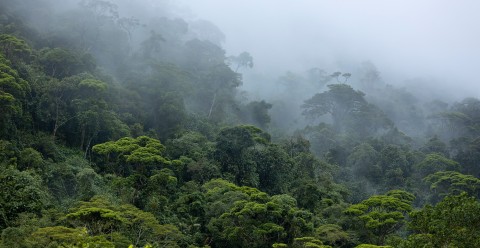
Museum scientists carry out cutting-edge research across the globe. Whether they are hunting for meteorites in Antarctica or discovering the biodiversity of tropical rainforests in Costa Rica, their research uncovers crucial information about the natural world.
Our global reach interactive mapMore than 300 scientists work at the Natural History Museum carrying out vital research into the natural world. Take a look at some of their work in our videos.
The latest video looks at the economic value of biodiversity, including some of the species that are threatened by climate change, like corals.
Find out the financial cost of failing to preserve these ecosystems.
Find out more