Dippy the Diplodocus 3D skull
Rotate, zoom in and explore the features of this popular dinosaur.
Find answers to your big nature questions. Delve into stories about our research, scientists and the collections we care for. Uncover the history of life on Earth, from the smallest insects to the largest mammals.

Rotate, zoom in and explore the features of this popular dinosaur.

You can now pay monthly for a membership to the Museum, starting at just £5 a month.

Hear from scientists, activists and people at the forefront of the climate and biodiversity crises.

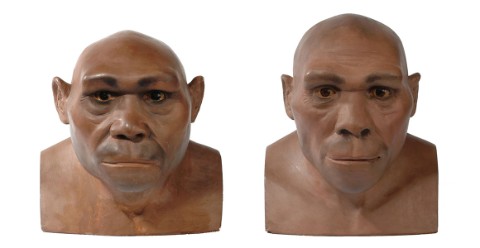
Explore Neanderthal facts, from looks to lifestyle and abilities. These early humans are far more similar to us than once believed.