Search our collections
Curious about the natural world? Then you're in the right place.
The Library and Archives has been developing its unparalleled collection of natural history literature, artwork and information resources since the Museum opened in 1881.
Our collections
- Learn more about our collections and collection highlights
Search across our collections
- Discovery layer (all Library and Archive collections)
- Museum Archive catalogue
Electronic resources
- E-journals, scientific databases, e-books (off-site access for Museum staff only)
- Museum Open Access Repository
Our digitised collections
- Digitised special collections
- Citizen Science Project: Digitally Unlocking Nature’s Archive (DUNA)
- Biodiversity Heritage Library (BHL)
- Wallace letters online (Firefox or Microsoft Edge browsers needed)
What's new
Citizen Science Project: Digitally Unlocking Nature’s Archive (DUNA)
Opening times and contact
Reading rooms
South Kensington
Tuesday and Wednesday 10:00 to 16:00
Ornithology Library collections at Tring please contact us.
Enquiries
- Monday to Friday 10:00 to 16:00
- Contact us
- Phone +44 (0)20 7942 5460
Service update
Forthcoming closures to the reading room and enquiries:
13 – 17 May 2024
11 – 15 November 2024
Restricted access to collections February – March 2024
Please note that due to building works in South Kensington during February and March, there will be restricted access to some of our Botany and Mineralogy library collections. If you are making an appointment during this time, our team will advise you if this will affect your visit.
Public transport industrial action: our service may be affected during these periods.

Using our services
Find out how to search the collections, access our resources or visit one of our reading rooms.

About us
Find out how the Library and Archives has evolved to support a broad range of research.
Collection highlights
-
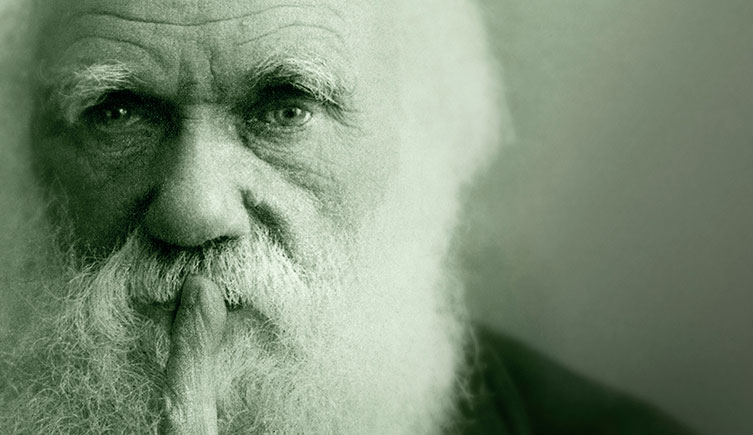
The Darwin collection
The Library holds the world’s most comprehensive collection of material published by Charles Darwin, plus artwork and illustrations from the HMS Beagle voyage
-
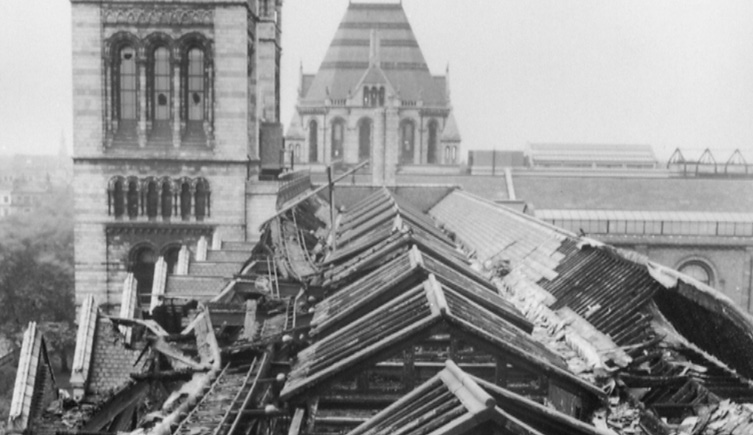
The Museum in the First and Second World Wars
Discover documents and photographs reflecting the Museum’s activities and the experiences of its staff during the World Wars
-
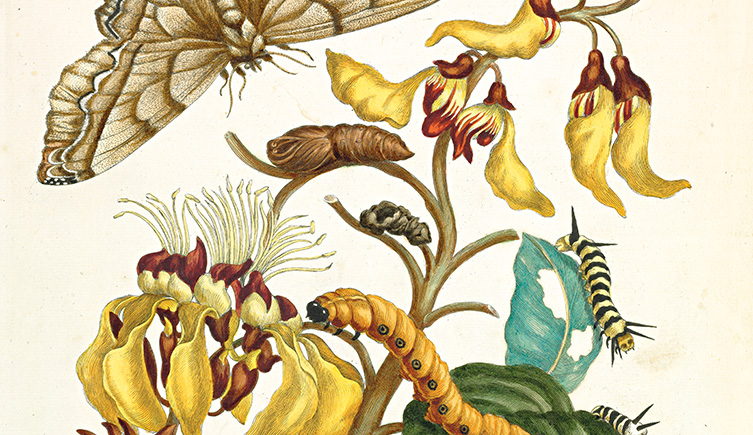
Women artists
The Library and Archives hold natural history illustrations and artworks of some of the most accomplished women artists spanning the last four centuries